
The HER Journal · Perimenopause
Perimenopause Symptoms Nobody Warned You About
By Dr. BB Beba, DCN, CNS · Reviewed November 2026
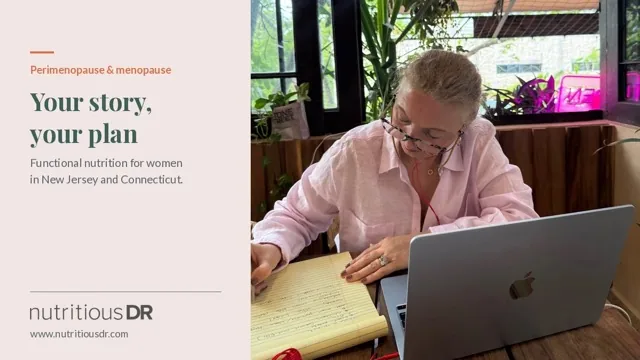
Perimenopause symptoms go well beyond hot flashes. Many women in their 40s first notice 3 a.m. waking, new anxiety, dry or itchy skin, achy joints, heavier periods, brain fog or a new reaction to wine. Here, Dr. BB Beba, DCN, CNS, of NutritiousDr explains what is often going on and what may help.
October is Menopause Awareness Month, and October 18 is World Menopause Day. So we’re starting with the question we hear most from women in their 40s: “Is this perimenopause?”
Most of us were told about hot flashes and missed periods. Nobody mentioned the rest. Perimenopause often begins in the 40s, sometimes earlier, and can last several years. Hormones tend to swing up and down before they settle lower, so the changes can show up in places you would never connect to your cycle. If something feels different and you can’t put your finger on why, you’re not imagining it.
What are the early signs of perimenopause nobody talks about?
1. Waking at 3 a.m. and lying there wide awake
What is often going on: progesterone, a calming, sleep-friendly hormone, often dips earlier than estrogen. Night sweats can wake you just as you settle. And if your blood sugar drops overnight, your body may release stress hormones to bring it back up, and those are wake-up hormones.
What may help: don’t under-eat during the day, and include protein and some healthy fat at dinner to help hold blood sugar steadier overnight. A glass of wine may help you fall asleep, but it often breaks up the second half of the night.
2. Anxiety that seems to come from nowhere
What is often going on: shifting hormones can affect mood and how strongly you react to stress. Many women who were never anxious describe a new, buzzy unease, or a racing mind at night.
What may help: regular meals that don’t leave you running on caffeine, and moving coffee to earlier in the day. Slow breathing can also help calm the nervous system. It is a big part of the breath work Nesko does with our clients.
3. Dry, itchy or “crawly” skin
What is often going on: estrogen plays a part in keeping skin moist and supple. As levels shift, many women notice skin that feels drier, thinner or itchy for no obvious reason.
What may help: enough water through the day, and fats your skin relies on, such as olive oil, avocado, walnuts, ground flax and oily fish like salmon or sardines.
4. Achy, stiff joints
What is often going on: many women notice stiff fingers, knees or shoulders in their 40s, especially first thing in the morning. Hormone changes may play a part, and researchers are still learning exactly why.
What may help: enough protein, plenty of colourful plants and omega-3 fats, and regular movement, including some strength work. If a joint is swollen, hot or red, please see your doctor.
5. Heart-flutter feelings
What is often going on: some women notice a fluttering, pounding or skipped-beat feeling, sometimes alongside a hot flash or at night. Hormone shifts can play a part, but this is always worth raising with your doctor, so they can check your heart.
What may help: while you wait for that appointment, notice whether caffeine, alcohol or a missed meal tends to come before it, and share that with your doctor.
6. Periods that come closer together or get heavier
What is often going on: early in perimenopause, cycles often get shorter before they get longer, and bleeding can become heavier. Heavier periods can run down your iron stores, which may leave you more tired.
What may help: iron-rich foods such as lean red meat, lentils, beans and dark leafy greens, paired with a vitamin C food like peppers or citrus. Ask your doctor whether your iron should be checked.
7. Brain fog and losing words mid-sentence
What is often going on: walking into a room and forgetting why, or reaching for a word that won’t come, is very common in perimenopause. Broken sleep and hormone swings often both play a part.
What may help: protecting sleep first, and a breakfast with real protein rather than coffee alone, so your energy isn’t riding a blood-sugar rollercoaster all morning.
8. Wine, coffee or foods that used to be fine now aren’t
What is often going on: many women find that one glass of wine now brings a flush, a headache or a bad night, or that coffee leaves them jittery. Your body is handling things a little differently at this stage.
What may help: a simple food and symptom journal for two weeks. Patterns often show up quickly once you write them down.
9. Bloating that won’t settle
What is often going on: hormone swings can affect digestion and how much water you hold, so many women feel puffy or bloated more often, especially before a period.
What may help: eating a little more slowly, adding fiber gradually rather than all at once, and drinking enough water. If bloating is new, constant or comes with pain or changes in your bowel habits, raise it with your doctor.
Why do so many symptoms show up at once?
Because hormones don’t work alone. They interact with your sleep, your stress response and your blood sugar, so one change tends to pull on the others. That’s why we look at the whole picture rather than chasing one symptom at a time. Your symptoms are data.
Many women are also told their bloodwork is “fine”. Normal on paper does not mean well in the body. We explain more in why normal bloodwork doesn’t always mean you feel well.
When should I talk to my doctor?
Most perimenopause changes are a normal part of the transition, but some signs always deserve a doctor’s attention. Please contact your doctor if you have:
- very heavy bleeding, bleeding that leaves you dizzy or short of breath, or periods that last much longer than usual;
- any bleeding after 12 months without a period;
- bleeding between periods or after sex;
- palpitations that are frequent, or that come with dizziness, fainting or shortness of breath;
- low mood that won’t lift, or a loss of interest in things you used to enjoy.
If you have chest pain, call 911. If you are having thoughts of harming yourself, call or text 988 in the US, any time.
A gentle next step
How can NutritiousDr help with perimenopause symptoms?
We start by listening to your full story and reading the bloodwork you already have against optimal ranges. We only suggest testing when it would genuinely help. Then Dr. BB builds a plan for food, sleep, stress and your nervous system, and Nesko helps you live it with coaching and breath work, following the HER Healthspan Method: Hormones, Energy and Resilience.
If a few of these sound familiar, you’re not imagining it, and you don’t have to figure it out alone.
Or call (701) 369-0890 · Available to women in New Jersey and Connecticut, online by secure video.
Read more on our Perimenopause and Menopause Nutrition page.
Know a friend who keeps saying “I just don’t feel like myself”? Share this with her.
Frequently asked questions
What are the first signs of perimenopause?
For many women the first signs are changes in sleep, mood or cycle rather than hot flashes. Waking in the early hours, new anxiety, periods that come closer together and brain fog are all common early changes in the 40s.
Can perimenopause start in your early 40s?
Yes. Perimenopause often begins in the 40s, sometimes earlier, and can last several years before menopause, which is reached after 12 full months without a period.
Can perimenopause cause anxiety?
It can. Shifting hormones can affect mood and how strongly you react to stress, so new anxiety is common at this stage. If low mood or anxiety won’t lift, please talk to your doctor.
Should I see a doctor or a nutritionist for perimenopause symptoms?
Both can help, in different ways. Your doctor is the right person for medical questions, including any of the warning signs above. Nutrition support works alongside (never in place of) your medical care.
Keep reading
- Perimenopause and menopause nutrition
- Normal bloodwork, but still feel sick?
- Metabolism and weight after 40
- The HER Healthspan Method
Individual results vary. Our work supports, and never replaces, care from your doctor. Please read our Medical Disclaimer.